

Metal card innovation: types and materials
Metal bank cards are no longer exclusive to elite clientele. More than 9 million metal credit cards were in circulation in 2024, up significantly from 3.8 million in 2018.
Metal cards are constructed from materials like stainless steel and titanium and largely appeal to customers for their durability and premium feel. Financial institutions see them as branding tools that set their offerings apart.
Choosing the right metal card types and materials comes down to knowing what your customers want and what your institution needs to deliver.
Key takeaways
- Metal payment cards are popular with consumers for their association with prestige and extensive benefits.
- Financial institutions like metal cards for their durability and branding support.
- Cards can be made entirely of metals like stainless steel, titanium, or palladium, or they may be a hybrid of metal and plastic.
- Intelligent card delivery solutions can help scale personalization and customization of metal cards.
What are metal payment cards?
Metal debit and credit cards can be made of stainless steel, titanium, alloys, palladium, or even gold and, as such, typically weigh more than plastic cards.
Metal cards gained attention in 1999 with American Express’ titanium Centurion card. Colloquially referred to as the “Black Card,” it’s still available only by invitation to AmEx Platinum Card holders based on their spending levels, adding to its air of exclusivity.
Metal cards have since found their way to the mass market, and banks with metal debit cards and other payment cards are common. Consumers can choose from a variety of metal Visa cards or Mastercards with lower or no annual fees that offer benefits like cash-back rewards, points that can be redeemed for travel, and credits when used at certain businesses.
The value of metal cards
Beyond the premium appeal metal card types offer, they deliver tangible value to banks and cardholders.
Metal cards tend to be more durable than plastic cards, which helps extend their life and reduce reissuance costs. The cosmetic and customization options also help with brand differentiation and can support efforts to improve consumer sentiment.
Along with these unique values, metal cards also share all the features you can get in other substrates, including advanced security technologies, like EMV (Europay, Mastercard, and Visa) chips. These chips use encryption and tokenization to protect personal and financial data. Sturdier construction from metal cards helps safeguard the chip itself, minimizing wear and damage.
Metal payment card types
Financial institutions have several options for metal card types. With the right mix of metals, colors, formats, and other variables, banks and credit unions can now offer customers flat cards that align with their branding and provide the look and feel, security features, and level of customization modern consumers expect.
- Full metal: These cards’ solid metal body, weight, and engravable surface make them a premium choice for ultra-high-net-worth customers.
- Hybrid metal: These cards have a metal surface (often stainless steel) and a PVC layer on the back, combining the luxury appearance of metal technologies with the lower cost of plastic.
- Metal core: These cards are at the lower end of the metal card spectrum and include a metal layer covered with a plastic top and bottom or a metal insert between plastic layers. Typically used for entry-tier metal cards, they deliver a metal feel at a lower cost.
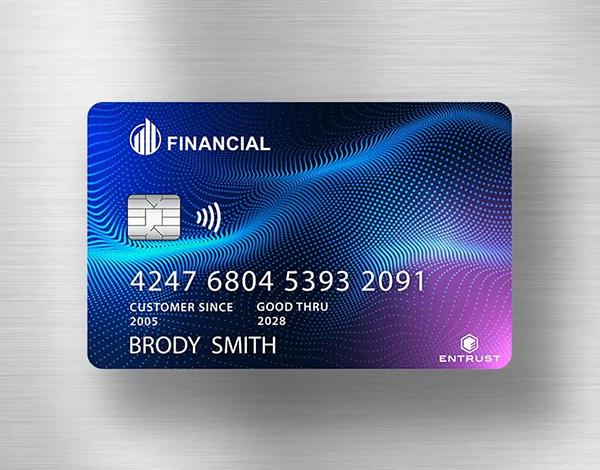
Benefits and drawbacks of metal cards
Metal debit and credit cards offer real advantages, durability being chief among them. Unlike plastic cards, they don’t snap, crack, or wear down as much with regular use.
Another consideration is customer demand and expectations. An increasing number of cardholders prefer the premium feel of metal cards, putting demand on the financial market to provide these more “high-end” card offerings. Financial institutions that don’t already offer metal cards can consider introducing card types and issuance systems to meet this growing demand.
However, metal cards have some drawbacks. Because they weigh more than plastic cards, they can be more costly to distribute and more inconvenient to carry from a consumer perspective. They are also generally more expensive to produce, with costs ranging from $5 to $20 per card. That said, financial institutions can often recoup that investment through annual fees or interchange revenue.
The future of metal cards
Metal cards are especially popular among younger consumers and high-income segments, but they’re also making inroads with other demographics that prize prestige and performance. In fact, nearly three-quarters of consumers (73%) are even willing to pay extra for a metal card.
Increasingly, customers look for banks with metal debit cards and credit cards for their luxurious tactile feel and premium benefits. Customization is another advantage. Credit card printers have evolved to enable laser engraving, and eye-catching color schemes that convey a premium feel, allowing financial institutions to create and produce designs that differentiate and elevate their brand at scale.
Personalize metal cards with card issuance systems from Entrust
Modern metal card technology enables financial institutions to deliver the premium experience consumers expect while maintaining operational efficiency and security.
Entrust’s high-volume card issuance systems support advanced security features and precision customization. With our intelligent card delivery solutions, financial institutions and card issuance providers can deliver end-to-end card issuance designed to support personalization and customization at scale.
To learn more about our financial card issuance solutions, check out our blog on how flat card innovations are changing the game for consumers and financial institutions alike.
Explore how to update your organization’s card program with our eBook:
Go Further with Flat: Exploring Flat Card Technology in Financial Issuance